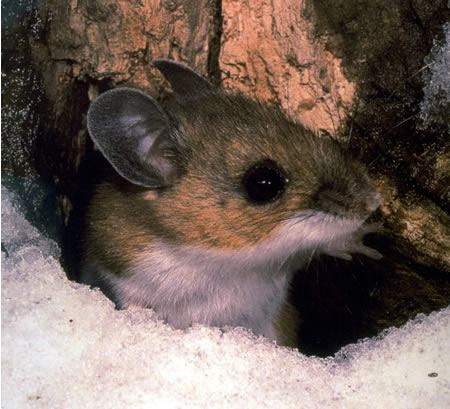
Rodent control in Corvallis, OR runs on the Oregon calendar. When the fall rains arrive and the nights cool, deer mice and house mice move off the field edges, the greenways, and the Willamette and Marys River corridors and into the nearest dry, warm structure. In Corvallis that structure usually has a vented crawl space, and a crawl space is a mouse's front door: torn vent screens, gaps around plumbing and utility penetrations, and the joint where the sill plate meets an old foundation. Roof rats, which climb, are increasingly common in the valley, traveling fence lines, tree limbs, and utility wires into attics and soffits. Rodents gnaw wiring, foul insulation, and breed through the mild winter. An experienced local exterminator traps what is inside and seals the way in.
Where Corvallis rodents come from
This is a small city wrapped in farmland, greenways, and river corridors, and that edge is where the rodents live. Deer mice and house mice spend the dry season outdoors and move in when the weather turns. A house on a field edge or near a greenway is simply the nearest shelter when the rain starts.
Roof rats are the climbers. They travel fence tops, tree limbs, and utility lines to the roof, then get in through a gap at a soffit, a gable vent, or a cracked plumbing stack boot. Norway rats work lower, around sheds, compost, chicken coops, and outbuildings, then push into crawl spaces and garages. The crawl space and the attic, not the kitchen, are usually the front line here.
The crawl space problem
Corvallis has a lot of older homes on vented crawl spaces, and those crawl spaces are where rodent problems concentrate. A torn foundation vent screen, a gap where a pipe or duct enters, a sagging access door, or open mortar in an old foundation all let mice in, and once under the floor they nest in insulation and travel wall voids up into the living space.
A mouse passes through a gap about the diameter of a pencil, and a rat through one about the size of a quarter, so exclusion has to be thorough. Sealing the crawl space and the roofline is what turns a treatment into a lasting result.
Trapping plus exclusion
Scattered bait is a common mistake. A poisoned rodent frequently dies in a wall, under the floor, or in the crawl space, and the odor lasts for weeks. Bait also puts poison where pets and wildlife can reach it. The reliable approach is trapping on the runways rodents actually use, then exclusion: new vent screens, sealed penetrations, corrected crawl space access and door sweeps, screened roof and gable vents, and mesh at the foundation.
Then the attractants go. Pet food and birdseed into sealed containers, fallen fruit and pet waste picked up, compost secured, firewood and clutter off the foundation, and limbs trimmed back from the roof. A sealed, unrewarding house stops being worth the trip inside, and a follow-up visit confirms the activity stopped rather than slowed.
Call and connect with an experienced local exterminator.